What Kansas Businesses Should Know About Temporary Striping During Construction
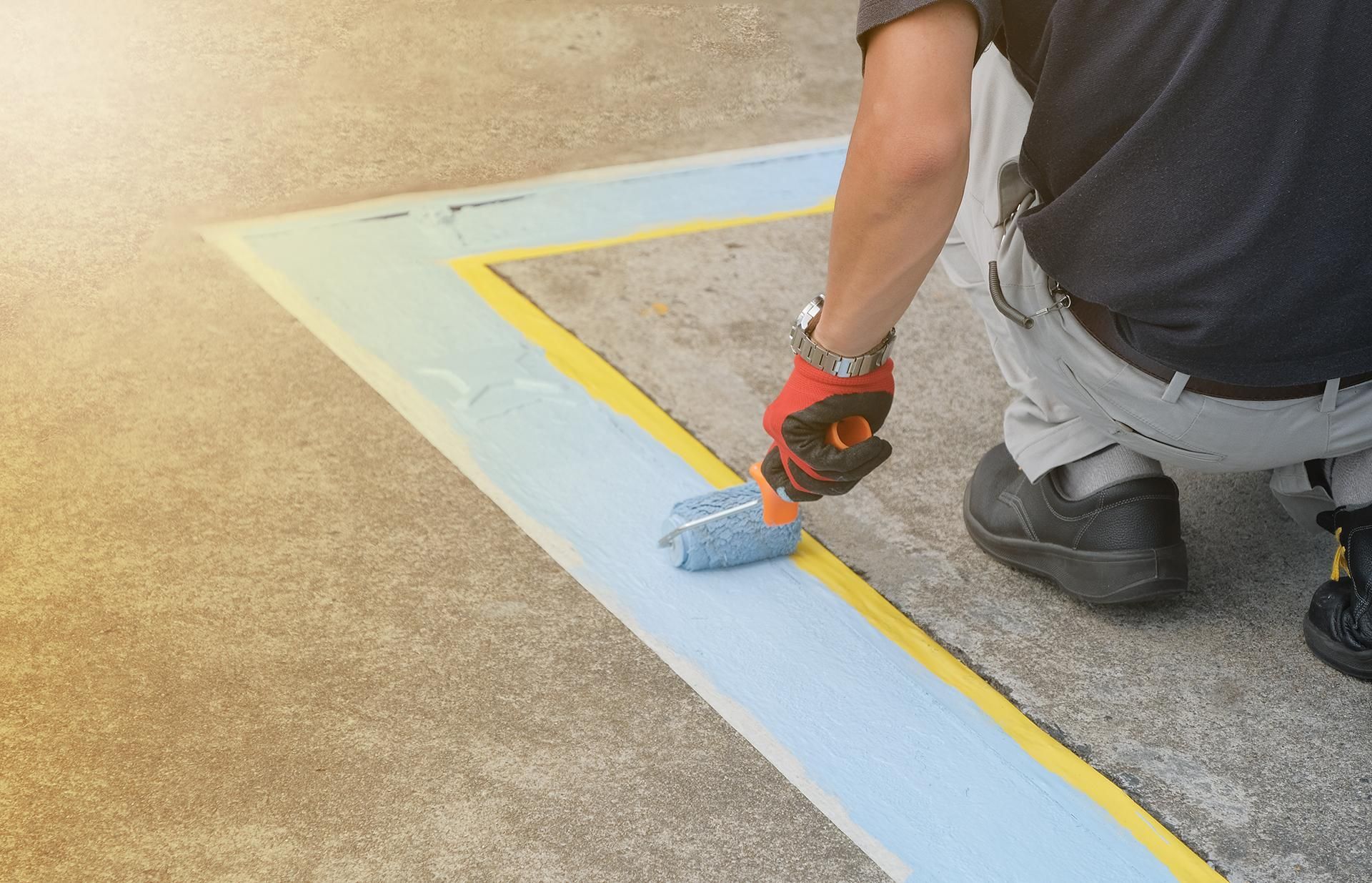
Table of Contents
- Understanding Temporary Striping During Construction
- Why Temporary Striping is Essential for Kansas Businesses
- Key Elements of Construction Zone Striping
- Best Practices for Striping for Roadwork
- How Temporary Striping Enhances Safety and Traffic Flow
- Choosing the Right Materials and Methods
- Common Challenges and Solutions
- Conclusion
Key Takeaways
- Temporary striping during construction ensures safety, accessibility, and smooth traffic flow.
- Construction zone striping helps prevent accidents and reduces liability.
- Effective striping for roadwork requires the right materials, planning, and professional installation.
- Kansas businesses benefit from temporary markings by maintaining operations and customer access.
Understanding Temporary Striping During Construction
When construction projects take place, traffic patterns can quickly become confusing and unsafe. Temporary striping during construction, along with proper parking lot signage, plays a vital role in guiding drivers, pedestrians, and delivery vehicles safely around active work zones. Unlike permanent markings, temporary striping is designed to be flexible, visible, and easy to remove once construction is complete.
For Kansas businesses, these markings are not just a regulatory requirement—they are essential for maintaining business operations. Clear temporary striping ensures that employees, clients, and delivery drivers can navigate parking lots, driveways, and roadways without confusion.
Why Temporary Striping is Essential for Kansas Businesses
Construction in commercial areas can disrupt traffic and create safety risks. Implementing construction zone striping helps mitigate these problems by clearly defining lanes, pedestrian pathways, and restricted areas.
For business owners, this means:
- Customer safety: Reduces the risk of accidents in parking areas and driveways.
- Operational continuity: Helps deliveries and employee access remain organized.
- Compliance: Meets local safety and construction regulations.
Kansas businesses, in particular, face seasonal construction peaks, and having a trusted striping plan ensures minimal operational disruption during these periods. Pairing your striping with fire lane striping further enhances safety and accessibility during busy construction times.
Key Elements of Construction Zone Striping
Effective construction zone striping requires careful planning and attention to detail. Here are the key elements:
- Clear Lane Markings
Temporary lane markings help drivers know where to go, preventing confusion and traffic congestion around construction areas. - Pedestrian Pathways
Businesses must ensure safe pathways for customers and employees. Properly marked pedestrian lanes reduce the risk of accidents in parking lots and near building entrances. - Access to Loading Zones
For commercial operations, loading areas and delivery points should remain clearly marked even during construction. Temporary striping guides trucks and delivery vehicles safely. - Signage Integration
Temporary striping works best when paired with clear signage. Directional arrows, caution signs, and “no parking” indicators complement markings to create a fully safe construction zone. For tips on maintaining the effectiveness of your markings, see our guide on how to maintain parking lot striping.
Best Practices for Striping for Roadwork
Implementing striping for roadwork effectively requires strategic planning and quality execution. Here are some best practices:
- Use high-visibility colors: White, yellow, and orange markings stand out against asphalt and concrete surfaces.
- Choose durable materials: Temporary paint, tape, or thermoplastic materials that can withstand traffic without fading quickly.
- Plan layout in advance: Pre-marking areas before construction begins ensures smooth traffic flow and minimal disruption.
- Regular inspection: Temporary striping should be checked daily or weekly to ensure visibility and effectiveness.
These practices not only maintain safety but also enhance the professional appearance of the construction area, reflecting well on the business.
How Temporary Striping Enhances Safety and Traffic Flow
Construction areas naturally present risks to drivers and pedestrians. Construction zone striping reduces hazards in several ways:
- Guiding traffic: Clear lane separation prevents vehicle collisions.
- Preventing confusion: Temporary markings reduce uncertainty, especially in areas with changed traffic patterns.
- Protecting workers: Properly marked work zones alert drivers to slow down and maintain distance from construction crews.
- Maintaining accessibility: Ensures compliance with ADA requirements for pedestrian access in temporary pathways.
For Kansas businesses, this translates to fewer accidents, reduced liability, and uninterrupted customer service during construction projects.
Choosing the Right Materials and Methods
Selecting the appropriate materials is crucial for effective temporary striping during construction. Options include:
- Water-based paint: Cost-effective and easy to apply but may require frequent reapplication.
- Thermoplastic tape: Durable and highly visible; ideal for high-traffic areas.
- Removable adhesive tape: Perfect for very short-term projects with minimal traffic.
The method of application also matters. Professional striping crews use stencils, machines, or spray equipment to ensure consistency, proper width, and longevity.
Common Challenges and Solutions
Even with proper planning, temporary striping projects can encounter challenges. Some common issues include:
- Weather delays: Rain or extreme temperatures can affect paint adhesion. Using fast-drying materials and monitoring weather forecasts can mitigate this.
- Heavy traffic wear: High-traffic areas may cause temporary markings to fade quickly. Durable thermoplastic or frequent maintenance addresses this concern.
- Confusion with permanent markings: Overlapping temporary and permanent markings can confuse drivers. Clear color differentiation and signage help avoid mistakes.
Professional striping services often handle these challenges, ensuring that temporary markings remain effective throughout the construction period.
Conclusion
For Kansas businesses, temporary striping during construction is not just a regulatory formality—it is a critical investment in safety, efficiency, and operational continuity. Well-planned construction zone striping keeps traffic moving smoothly, protects pedestrians, and minimizes disruptions for customers and employees.
By following best practices for striping for roadwork, selecting the right materials, and monitoring conditions, businesses can maintain a professional appearance while construction is underway.
At KC Parking Lot Striping, we specialize in providing high-quality temporary striping solutions for Kansas businesses. Explore our home page for more information or reach out via our contact page to schedule a consultation and ensure your property stays safe and accessible during construction projects.
Frequently Asked Questions
What is temporary striping during construction, and why do we use it?
We use temporary striping during construction to guide traffic safely through work zones. It helps keep our customers, employees, and delivery drivers safe while maintaining smooth traffic flow until permanent markings are restored.
How does construction zone striping benefit our business?
Construction zone striping ensures clear lanes, pedestrian pathways, and loading zones. We reduce accidents, maintain compliance with safety regulations, and keep operations running smoothly even during busy construction periods.
Can we rely on striping for roadwork in high-traffic areas?
Yes! Striping for roadwork is designed with durable, high-visibility materials to withstand heavy traffic. We regularly inspect and maintain markings to ensure they remain effective throughout the construction project.
What materials do we use for temporary striping during construction?
We use water-based paint, thermoplastic tape, and removable adhesive tape depending on the project. Each option ensures clear, visible markings that guide traffic safely and can be removed or updated as needed.
How do we handle challenges like fading or weather delays?
We plan for weather and traffic conditions by using fast-drying, durable materials and scheduling regular inspections. This way, we maintain clear temporary markings and prevent confusion or safety risks in construction zones.
Related Posts