How to Maintain Parking Lot Striping for Maximum Durability
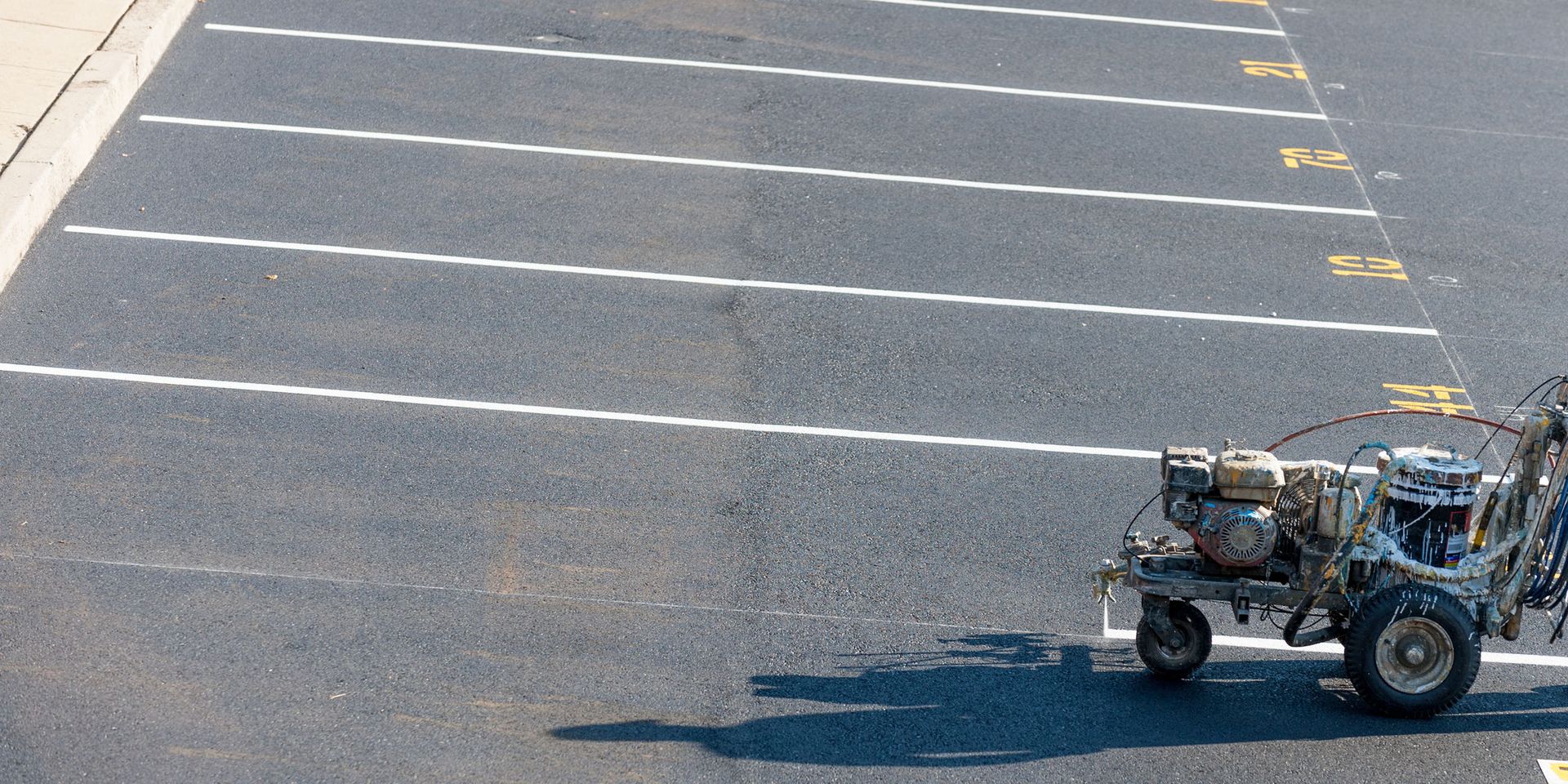
Table of Contents
- Why Parking Lot Striping Maintenance Matters
- How Regular Cleaning Protects Your Investment
- Sealcoating: The Secret Weapon for Longer Striping Lifespan
- Repainting and Touch-Ups: Timing Is Everything
- Seasonal Striping Maintenance Tips That Pay Off
- Professional Striping Services vs. DIY Jobs
- Real-World Mistakes Property Owners Make
- Conclusion: Protecting Your Lot, Protecting Your Reputation
Key Takeaways
- Parking lots with clean, bright markings send a strong first impression of safety and professionalism.
- Simple habits like cleaning and sealcoating can significantly extend your striping lifespan.
- Following smart striping maintenance tips prevents premature fading and saves long-term costs.
- A proactive approach ensures you always maintain parking lot striping without scrambling last minute
Why Parking Lot Striping Maintenance Matters
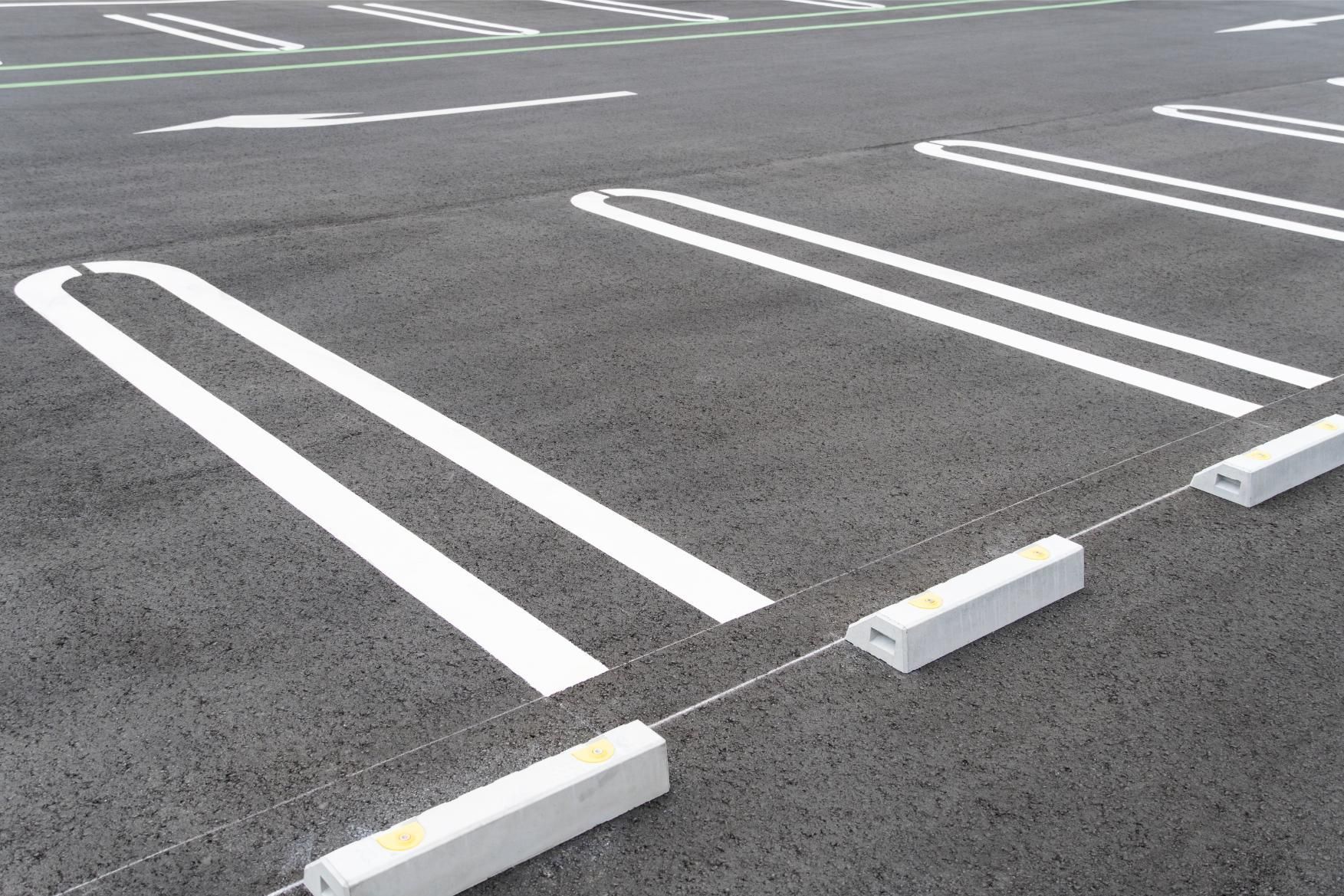
When people pull into your property, the very first thing they notice isn’t your landscaping or the building itself—it’s your parking lot. If the lines are faded, drivers hesitate. Cars park crooked. Pedestrians wander across unclear walkways. It feels chaotic before anyone even reaches the door.
We’ve seen it countless times: a business owner thinks their striping still “looks okay,” but when customers can’t tell where to park, it affects traffic flow and even sales. That’s why making the effort to maintain parking lot striping is more than cosmetic—it’s about safety, order, and reputation.
Clear markings also support compliance with ADA parking sign placement rules, ensuring that handicap spaces and walkways are visible and legally compliant. Pairing striping with proper parking lot signage keeps traffic organized and accessible.
How Regular Cleaning Protects Your Investment
Think about your own car windshield after a week of driving in the city. Dust, grime, and oily residue build up fast. The same thing happens to your lot. Dirt, motor oil drips, and even leaves can dull the appearance of striping. Over time, those substances also break down the paint itself.
One of the simplest striping maintenance tips we share with clients is routine cleaning. A pressure wash every few months makes a world of difference. Not only does it brighten the paint, but it also keeps drivers from mistaking dirty patches for faded striping.
A business owner in Kansas City once told us she thought she needed a full repaint. After a deep clean, she was shocked to see that her lines were still in great shape. That’s the power of cleaning—it buys you time and helps maintain parking lot striping without the immediate expense of repainting.
Sealcoating: The Secret Weapon for Longer Striping Lifespan
If cleaning is the surface-level fix, sealcoating is the heavy-duty defense. Asphalt is like skin—it dries, cracks, and weathers without protection. A good sealcoat every two to three years locks out moisture, shields from UV rays, and creates a smooth surface for paint to stick to.
Here’s the trick: always plan striping after sealcoating, not before. We’ve seen businesses make the mistake of repainting, then sealing over fresh lines, only to have everything fade faster. Done correctly, sealcoating followed by a fresh coat of paint can nearly double your striping lifespan.
One property manager we work with has this down to a science. He schedules sealcoating every 30 months like clockwork. The result? His lot, despite heavy daily traffic, looks sharper than some lots half its age. That consistency is the difference between chasing problems and preventing them.
Repainting and Touch-Ups: Timing Is Everything
Even with cleaning and sealcoating, no striping lasts forever. The question is not if, but when.
Most lots need repainting every 18–24 months. High-traffic lots—like grocery stores or shopping centers—might need it annually. Ignoring the signs can quickly create safety hazards. When crosswalks fade or handicap spaces aren’t clearly marked, it isn’t just inconvenient; it can put you at risk of fines and liability.
Another overlooked issue is ADA parking sign installation mistakes, which can compound the problem when faded striping combines with incorrectly installed signage. Both should be corrected promptly to maintain compliance and safety.
Here’s another contractor insight: don’t wait for the entire lot to fade before scheduling work. Touch-ups in problem areas (entrances, exits, high-turnover spaces) can stretch your budget and help maintain parking lot striping consistently.
Think of it like dental care—you wouldn’t skip cleanings and wait until every tooth needs a filling. Small, steady upkeep saves money and prevents headaches.
Seasonal Striping Maintenance Tips That Pay Off
Weather plays an enormous role in striping durability. In Kansas City, we face the worst of both worlds: icy winters and blazing summers. Each season demands a slightly different strategy if you want maximum durability.
- Winter: Snow plows and salt can scrape paint. Work with plow drivers to raise blades slightly and avoid overly harsh ice-melt chemicals.
- Spring: After the thaw, inspect for water pooling in low spots. Standing water wears striping faster.
- Summer: Avoid scheduling painting during peak heat. High temperatures can prevent proper adhesion.
- Fall: This is prime time for repainting—cooler weather means paint cures evenly before winter stress.
These seasonal striping maintenance tips may seem small, but when added together, they significantly extend the striping lifespan of your lot.
Professional Striping Services vs. DIY Jobs
Some property owners wonder if they can save money by repainting themselves. We get it—DIY can be tempting. But parking lot striping isn’t like painting a bedroom wall. It requires specialized equipment, high-durability paint, and precision layout to meet city codes and ADA compliance.
We’ve walked onto DIY jobs where lines were crooked, spacing was off, and paint was already peeling within weeks. By the time the owner called us to fix it, they had already spent more than they would have on professional work in the first place.
The reality? Professional striping may cost more upfront, but it guarantees durability, compliance, and a clean finish that actually lasts. If you want to maintain parking lot striping long-term, there’s simply no substitute for experienced contractors.
Real-World Mistakes Property Owners Make
Over the years, we’ve noticed a few common patterns among property owners who struggle with their striping:
- Waiting too long: They assume faint lines are “good enough,” and by the time they repaint, asphalt damage has already started.
- Skipping sealcoating: They think it’s optional, not realizing it’s what makes striping last.
- Relying on guesswork: Without a set maintenance schedule, they end up reacting to problems instead of preventing them.
One story comes to mind: a retail complex near downtown skipped maintenance for five years. By the time they called, the lot needed not just repainting but major asphalt repair. Had they followed basic striping maintenance tips, they could’ve saved tens of thousands.
Conclusion: Protecting Your Lot, Protecting Your Reputation
Your parking lot is more than asphalt and paint—it’s the welcome mat to your business. When lines are sharp and visible, customers feel confident. Traffic flows smoothly. People notice that you care about their safety and experience.
When you commit to simple upkeep—regular cleaning, strategic sealcoating, timely repainting, and seasonal care—you don’t just maintain parking lot striping. You extend your investment, improve safety, and build trust with every driver who pulls in.
At the end of the day, durable striping isn’t just about paint. It’s about professionalism, pride, and the impression your business makes before anyone even walks inside.
If your lot is starting to show signs of fading, don’t wait until it becomes a liability. Call
KC Parking Lot Striping at
(816) 439-8103 to schedule service. We’ll help you protect your lot—and your reputation—for years to come.
Frequently Asked Questions
1. How do we maintain parking lot striping effectively?
We maintain parking lot striping by scheduling routine cleaning, sealcoating every few years, and repainting when lines begin to fade. This proactive care ensures durability and keeps the lot safe and professional.
2. What striping maintenance tips do we recommend?
Our best striping maintenance tips include regular power washing, monitoring seasonal damage, and touch-ups in high-traffic areas. These small steps extend paint life and reduce costly full repaints.
3. How long does the striping lifespan usually last?
The striping lifespan depends on traffic, weather, and upkeep. With proper cleaning and sealcoating, most lots last 18–24 months before repainting is needed. Consistent care nearly doubles the durability.
4. Why is it important for us to maintain parking lot striping?
We maintain parking lot striping because sharp, visible lines keep traffic organized, meet ADA requirements, and leave a strong first impression. It’s not just about looks—it’s about safety and compliance.
5. How can we extend the striping lifespan without overspending?
We extend the striping lifespan by following a set maintenance schedule, using professional-grade paint, and combining striping with sealcoating. This approach saves money while ensuring long-lasting results.
Related Posts