
ADA Parking Sign Placement Rules: Avoiding Fines and Legal Trouble
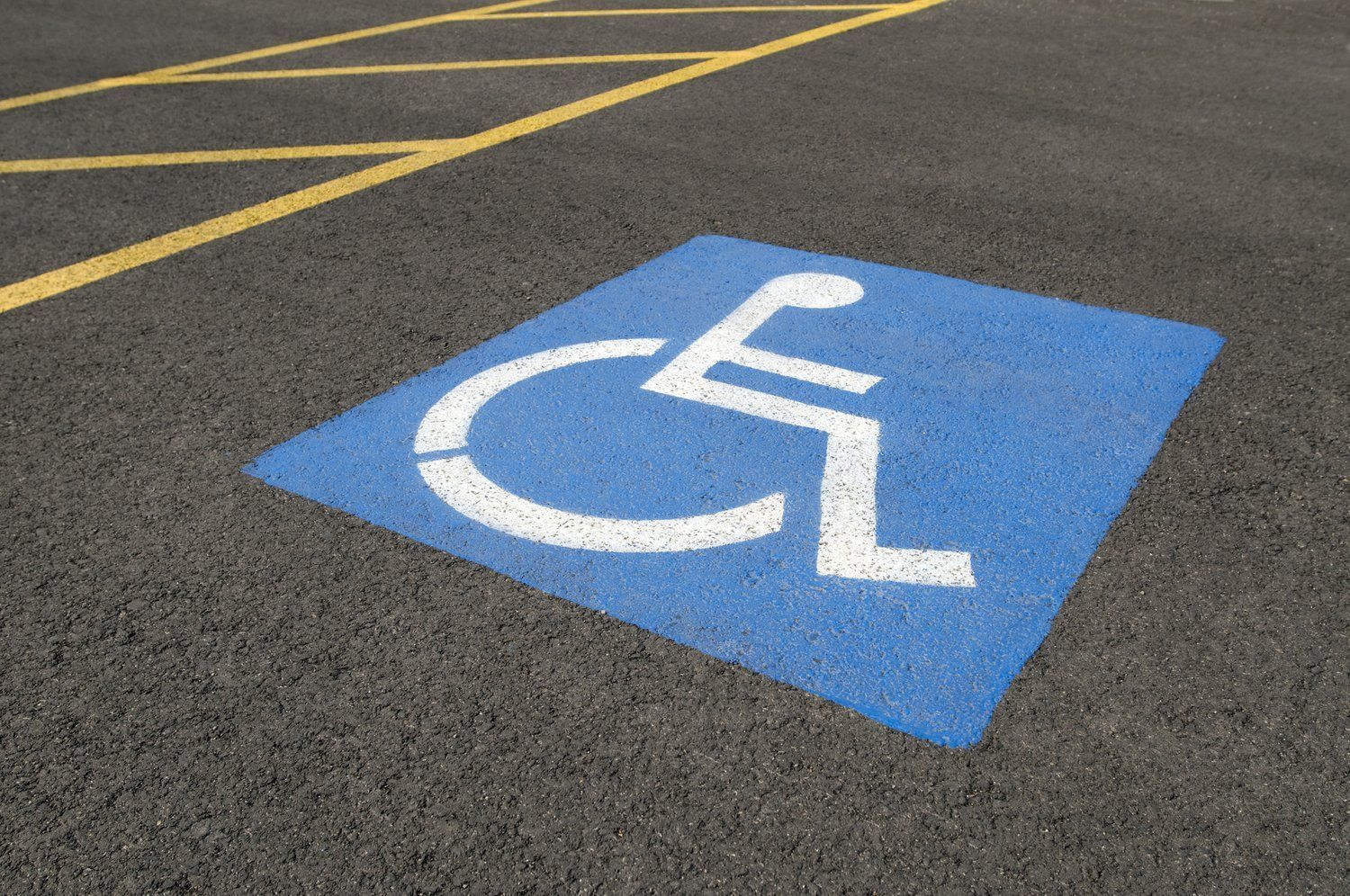
Table of Contents:
Introduction
What Are ADA Parking Regulations?
Why Proper ADA Sign Placement Matters
Federal Guidelines for ADA Sign Placement
State and Local ADA Requirements
Common ADA Sign Placement Mistakes
How to Ensure Your ADA Signage is Compliant
Real-World Examples of ADA Violations
Practical Tips for Business Owners and Property Managers
Key Takeaways:
- Proper ADA sign placement ensures accessibility and helps businesses avoid fines.
- Non-compliance with ADA parking regulations can lead to legal action and hefty penalties.
This guide provides practical steps to help you remain compliant and create an inclusive environment.
Introduction
If you're a property manager, business owner, or contractor, it's vital to understand the importance of properly placing ADA parking signs. It's not just about compliance—ADA sign placement plays a key role in promoting inclusivity and protecting your business from unnecessary liabilities. Inaccurate or poorly placed signage can result in costly violations, lawsuits, and loss of public trust.
At
KC Parking Lot Striping, we believe that compliance shouldn't be complicated. This blog walks you through everything you need to know about ADA parking regulations, from federal mandates to state-specific rules and best practices. Whether you're marking parking lots for the first time or reviewing an existing layout, this guide will help you stay compliant and avoid legal trouble.
What Are ADA Parking Regulations?
The Americans with Disabilities Act (ADA) was enacted to ensure equal access to public spaces for individuals with disabilities. One key component of this law involves accessible parking requirements. ADA parking regulations stipulate how many accessible spaces must be provided, where they should be located, and how they must be marked—including specific requirements for signage.
Accessible parking spaces must meet certain standards, including dimensions, access aisles, and clear signage that identifies the space as reserved for individuals with disabilities.
Why Proper ADA Sign Placement Matters
Improper ADA sign placement isn’t just an oversight—it can have real consequences:
- Legal Liabilities: Non-compliance can result in lawsuits under the ADA, even without a fine being issued by authorities.
- Fines and Citations: Businesses may face fines ranging from hundreds to thousands of dollars for failing to comply with ADA parking regulations.
- Customer Accessibility: Misplaced or missing signs hinder accessibility for those who rely on designated parking.
- Loss of Reputation: Your business can lose public trust by failing to support inclusivity and legal accessibility.
Ensuring signs are installed correctly is one of the easiest and most cost-effective ways to remain compliant and serve your community better.
Federal Guidelines for ADA Sign Placement
The U.S. Department of Justice, through the ADA Standards for Accessible Design, outlines specific criteria for ADA sign placement. Here’s what you need to know:
Minimum Requirements for Signage:
- Mounting Height: Signs must be installed at least 60 inches above the ground surface measured from the bottom of the sign to the finish floor or ground.
- Visibility: Signs must be clearly visible from the driver's seat of a parked vehicle.
- International Symbol of Accessibility: The blue and white symbol (a figure in a wheelchair) must be displayed on all signs marking accessible spaces.
- Van-Accessible Spaces: Signs must include the phrase “Van Accessible” for designated van spaces.
State and Local ADA Requirements
While federal ADA parking regulations set the baseline, many states have additional or slightly different requirements. For example:
- Missouri requires a fine amount to be posted on the sign (usually between $50 to $300).
- Some counties mandate dual signage—a ground-level sign as well as one mounted on a pole.
- Others require reflective signs for visibility at night.
Before installing any signage, always consult your local building codes or contact an experienced provider like KC Parking Lot Striping for expert guidance.
Common ADA Sign Placement Mistakes
Avoiding these frequent errors can save you from serious compliance issues:
- Mounting too low – A sign mounted below 60 inches isn’t compliant.
- Blocked visibility – Bushes, fences, or vehicles may obscure the sign.
- Incorrect labeling – Using generic or non-ADA symbols.
- No van-specific signage – All van-accessible spaces require separate identifiers.
- Missing fines or penalty info – Required by some state/local jurisdictions.
Incorrect signage can make even properly measured and painted parking spaces invalid under the law.
How to Ensure Your ADA Signage is Compliant
Here are simple but critical steps to ensure full compliance:
Step 1: Determine Number and Type of Spaces
Use ADA guidelines to calculate how many accessible and van-accessible spots you need based on total lot size.
Step 2: Use Correct Signage
Purchase signs that meet both federal ADA parking regulations and your state’s additional requirements.
Step 3: Mount Signs Properly
Install signs on permanent posts or walls at the correct height and visibility level. Never rely on painted ground markings alone—they’re not enough.
Step 4: Inspect Regularly
Over time, signs can fade, fall, or become obstructed. Conduct routine inspections to ensure visibility and placement remain compliant.
Practical Tips for Business Owners and Property Managers
To stay ahead of compliance and avoid unnecessary expenses, keep these tips in mind:
- Use professionals for sign installation. They’re familiar with both ADA and local codes.
- Keep extra signs on hand in case of vandalism or wear.
- Educate your maintenance staff on how to spot non-compliance issues.
- Coordinate striping and signage together to ensure cohesive, readable parking lot layout.
Get a compliance audit from companies like KC Parking Lot Striping before inspection deadlines.
Contact us Today!
Accessibility is not optional—it’s a legal and moral imperative. Adhering to proper ADA sign placement and staying compliant with ADA parking regulations isn’t just about avoiding fines; it’s about showing that your business is inclusive, responsible, and community-oriented.
If you’re unsure whether your signage meets current standards, don’t leave it to chance. At KC Parking Lot Striping, we specialize in ensuring that parking lots across Missouri are compliant, well-marked, and accessible for all.
Frequently Asked Questions
Is reflective signage a legal requirement?
In many cases, yes. Especially for ADA-compliant spots, fire lanes, and loading zones. Failing to use reflective parking lot signage can lead to fines or liability issues.
Can’t I just use regular signs and save some money?
Non-reflective signs are hard to see in low light, especially if your lot has limited lighting. The upfront cost of reflective signs is minimal compared to the potential cost of an accident.
How long do reflective signs last?
Most quality signs can last 7–10 years or longer if they’re properly installed and maintained
Do I need to replace all my signs at once?
Not necessarily. We often recommend starting with high-priority areas like entrances, exits, and safety zones. From there, we can build a phased upgrade plan
Related Posts