How Often Should You Repaint Fire Lane Stripes?
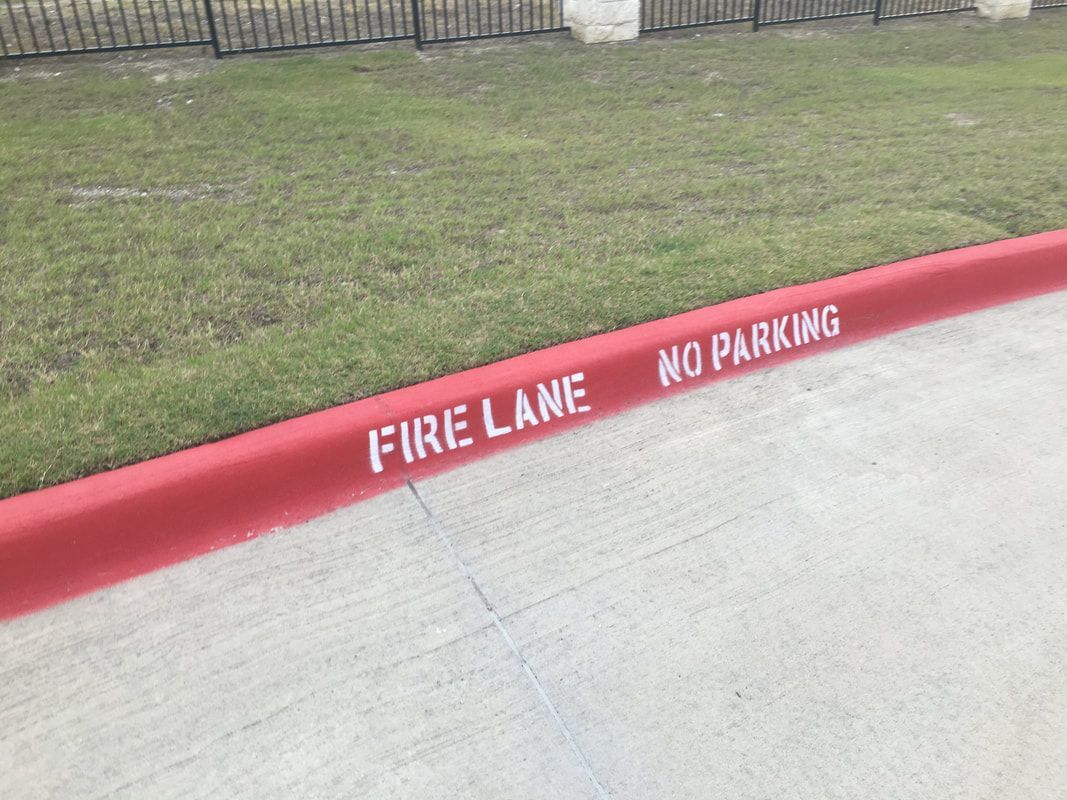
Maintaining clear and visible fire lane markings is crucial for safety and compliance. Over time, exposure to weather, traffic, and natural wear can cause these markings to fade, making them difficult to see. If emergency vehicles can’t quickly identify fire lanes, response times may be delayed, putting lives and property at risk.
Regular fire lane maintenance ensures that these designated zones remain clearly marked and legally compliant. But how often should businesses repaint them? The answer depends on multiple factors, including traffic volume, climate conditions, and local regulations.
Let’s break down the key considerations for when to repaint fire lanes, how to identify signs of fading, and the best practices for maintaining long-lasting fire lane paint durability.
Factors That Affect Fire Lane Paint Durability
Several factors determine how long fire lane striping lasts before it needs to be repainted. Understanding these factors helps property owners schedule maintenance before markings become a safety concern.
1. Weather Conditions and Sun Exposure
Extreme weather conditions speed up the fading of fire lane paint. If your property experiences harsh sunlight, heavy rain, or snow, expect fire lane markings to wear down faster. UV rays break down the pigments in paint, causing discoloration and loss of visibility.
2. Traffic Volume and Heavy Vehicle Use
Parking lots with constant traffic, especially from delivery trucks and heavy vehicles, see more wear and tear. Frequent driving over fire lane stripes causes paint to deteriorate, requiring more frequent repainting to maintain compliance.
3. Paint Quality and Application Method
Not all fire lane paint is created equal. High-quality, thermoplastic striping materials last significantly longer than standard latex-based paints. Proper surface preparation, including cleaning and priming, also improves adhesion and fire lane paint durability.
4. Compliance with Local Regulations
Local fire codes and municipal ordinances dictate how often businesses should maintain fire lane markings. Some areas require annual repainting, while others allow for a longer maintenance schedule. Checking with local authorities ensures compliance and prevents fines.
How Often Should Fire Lane Stripes Be Repainted?
The frequency of repainting depends on your specific conditions, but a general guideline is:
- Every 12-24 months: For parking lots with high traffic or extreme weather exposure.
- Every 2-3 years: For areas with moderate traffic and minimal sun damage.
- Every 3-5 years: If using durable materials like thermoplastic striping in low-traffic areas.
Since these are estimates, regular inspections are the best way to determine when to repaint fire lanes.
Signs It’s Time to Repaint Fire Lanes
Faded or missing fire lane markings can lead to serious safety issues and potential violations. Watch for these signs that indicate it’s time for repainting:
- Fading or discoloration – Bright red and yellow paint turning dull or grayish.
- Cracking or peeling – Paint chipping away due to wear and weather exposure.
- Reduced reflectivity – Stripes are no longer visible at night or in low-light conditions.
- Difficult to read lettering – "FIRE LANE" text becoming blurry or incomplete.
If any of these signs appear, schedule fire lane maintenance immediately to restore visibility and compliance.
Best Practices for Long-Lasting Fire Lane Striping
To maximize fire lane paint durability, follow these best practices:
1. Use High-Quality Traffic Paint
Investing in high-quality, reflective traffic paint or thermoplastic striping materials extends the lifespan of fire lane markings. These materials resist fading and provide better visibility at night.
2. Prepare the Surface Properly
Before applying new paint, clean the surface thoroughly to remove dirt, oil, and debris. A well-prepared surface ensures better paint adhesion and longer-lasting fire lane stripes.
3. Apply Multiple Coats
A single coat of paint may fade quickly. Applying two or more coats improves fire lane paint durability and enhances visibility.
4. Schedule Routine Inspections
Regularly checking fire lane markings for signs of wear allows businesses to schedule repainting before the stripes become unreadable.
5. Follow Local Fire Code Regulations
Always check municipal and fire department requirements to ensure compliance. Some areas require reflective paint, while others specify minimum stripe widths or wording placement.
The Consequences of Faded Fire Lane Stripes
Neglecting fire lane maintenance can lead to serious consequences, including:
- Fines and Code Violations – Local authorities can issue citations for unclear or missing fire lane markings.
- Liability Issues – In an emergency, unclear lanes could delay fire trucks, increasing legal risks.
- Increased Safety Hazards – Faded stripes may cause confusion, leading to improper parking and blocked emergency access.
Final Thoughts on When to Repaint Fire Lanes
Keeping fire lane markings bright and visible is essential for both safety and compliance. While repainting frequency varies based on traffic, weather, and regulations, most businesses should plan to refresh their fire lane stripes every 12-24 months.
Regular fire lane maintenance prevents costly fines, improves emergency response times, and keeps your property safe. By using high-quality paint, performing routine inspections, and staying up to date with local regulations, you can ensure that fire lane paint durability remains strong for years to come.
For professional fire lane striping services, contact
KC Parking Lot Striping at
(816) 439-8103 to learn more about our services.
Frequently Asked Questions
How often should fire lanes be repainted for proper fire lane maintenance?
The frequency of fire lane maintenance depends on factors like traffic, weather exposure, and local regulations. In general, high-traffic areas should be repainted every 12-24 months, while low-traffic areas may only need fresh paint every 2-3 years. Regular inspections help determine when to repaint fire lanes before markings become unreadable.
What are the signs that indicate it’s time to repaint fire lanes?
Key indicators that it’s time for fire lane maintenance include faded or discolored paint, peeling or chipping stripes, and reduced nighttime visibility. If the "FIRE LANE" text is hard to read or the lines are no longer reflective, it's a clear sign that fire lane paint durability has weakened and repainting is necessary.
What affects the durability of fire lane paint?
Several factors impact fire lane paint durability, including weather conditions, heavy vehicle traffic, and the quality of paint used. UV rays from the sun, rain, snow, and frequent driving over the stripes can cause paint to fade or wear out more quickly, requiring more frequent fire lane maintenance.
Are there legal requirements for when to repaint fire lanes?
Yes, local fire codes and municipal regulations dictate when to repaint fire lanes to ensure safety and compliance. Some cities require annual repainting, while others allow longer intervals based on paint quality and visibility. Checking with local authorities helps avoid fines and ensures compliance with safety standards.
How can businesses improve fire lane paint durability?
To extend fire lane paint durability, businesses should use high-quality, reflective traffic paint, apply multiple coats, and ensure the surface is properly cleaned before painting. Regular fire lane maintenance and inspections help keep markings clear and compliant with local laws.
Related Posts